
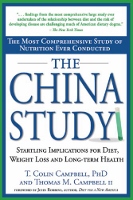
 The China Study (2006) is a book that argues that a plant-based/vegan diet is ideal for weight loss and long-term health.
- Whole plant foods, including fruits, vegetables, legumes, whole grains – high fiber.
- Limit refined carbohydrates, added vegetable oils, fish.
- Avoid meat, poultry, dairy, eggs.
Below on this page is a description of the food recommendations in the diet. What to eat | Foods to minimize | Foods to avoid. There’s a lot more in the book.
Get a copy of The China Study for details of scientific studies, information on how this diet can help against various diseases and conditions, and a limited explanation of the issues of scientific reductionism (discussed in more detail in the author’s following book, Whole).
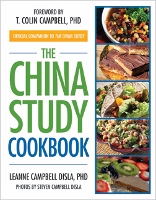
Get a copy of the China Study Cookbook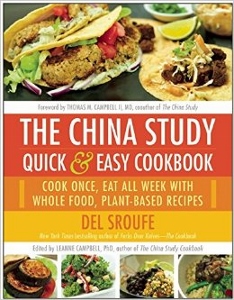 for recipes; get a copy of The China Study Quick & Easy Cookbook for more recipes to cook once and eat all week.
The reasoning behind The China Study
The book explains why the author believes that a plant-based diet is the route to good health. The chemicals we get from the foods we eat are engaged in a series of reactions that work in concert to produce good health, and our bodies have evolved with this infinitely complex network of reactions in order to derive maximal benefit from whole foods, as they appear in nature. There are virtually no nutrients in animal-based foods that are not better provided by plants, and animal proteins are cancer-causing. The book goes into detail of a study of the effects of eating habits on cancer rates in different regions of China – and says these results are applicable for other diseases of affluence.
China Study diet plan – food list
What to eat | Foods to minimize | Foods to avoid
What can you eat with The China Study?
Foods to eat with The China Study and China Study Cookbook
This list follows the classification in the China Study book, and adds foods listed in the China Study Cookbook:
- Fruits
- Fruits – apple, banana, blackberries, blueberries, cranberries, grapefruit, kiwi, lemon, mangoes, orange, papaya, pear, peach, raspberries, strawberries, watermelon, etc.
- Fruits as vegetables – acorn squash, avocado, bell pepper, butternut squash cucumber, eggplant, green pepper, okra, olives, peppers (all types), pumpkin, tomatillo, tomato, zucchini, etc.
- Vegetables
- Flowers – broccoli, cauliflower, etc.
- Stems and leaves – artichokes, arugula, asparagus, basil, beet greens, Belgian endive, bok choy, brussels sprouts, cabbage (any type including green, white, red), celery, cilantro, collard greens, green onion, kale, lettuce (all varieties), mustard greens, parsley, rhubarb, salad greens, scallions, seaweed (including kelp powder), spinach, Swiss chard, turnip greens, etc.
- Roots – beets, carrots, garlic, ginger, jicama, leeks, onions, potatoes (all varieties), radish, rutabaga, turnips, etc.; also pearl tapioca
- Other – corn, water chestnuts
- Legumes – adzuki beans, black beans, black-eyed peas, cannellini beans, chickpeas/garbanzo beans, green beans, kidney beans, lentils, lima beans, peanuts, peas, pinto beans, soybeans/edamame, white beans, etc.; also tofu, silken tofu, soy crumbles
- Mushrooms – baby bella, cremini, oyster, Portobello, shiitake, white mushroom, etc.
- Fermented vegetables – sauerkraut
- Nuts and seeds
- Almonds, cashew, coconut, hazelnut, macadamia, peanut (listed as a legume), pecan, pine nuts, pistachio, walnuts, etc.
- Flax seeds, sesame seeds, sunflower seeds
- Nut and seed butters – e.g. natural peanut butter, tahini
- Nut and seed flours – e.g. almond meal
- Whole grains
- Amaranth, barley, buckwheat, corn, kamut, millet, oats (raw/old-fashioned), quinoa, rye, brown rice, sorghum, spelt, teff, wheat, etc.
- Cracked grains – e.g. bulgur
- Flours e.g. oat flour, spelt flour, whole grain flour, whole wheat pastry flour
- In breads, pastas etc. – e.g. whole wheat couscous, rice pasta, whole grain pasta, whole wheat pasta, whole grain tortilla or sandwich wrap, whole wheat buns, whole wheat breadcrumbs
- Toasted wheat germ, vital wheat gluten, baked tortilla chips, low-fat granola
- Herbs and spices
- Basil, cilantro, dill, mint, oregano, parsley, rosemary, sage, tarragon, thyme
- Allspice, black pepper, caraway seeds, cayenne pepper, celery seeds, cinnamon, coriander, cumin, curry powder, garam masala, garlic powder, ginger, Italian seasoning, nutmeg, Old Bay seasoning, onion powder, poppy seeds, pumpkin pie spice, paprika, smoked paprika, red pepper flakes
- Sweeteners
- Wet sweeteners – agave nectar, barley malt syrup, brown rice syrup, fruit syrup, maple syrup, molasses, pureed fruits (applesauce, bananas), preserves and jams
- Dry sweeteners – date sugar, evaporated cane juice, raw sugar, Sucanat, stevia, turbinado sugar
- Dried fruits such as dates and raisins
- Apple juice concentrate, orange juice, other fruit juices
- Dairy substitutes
- Unsweetened nondairy milk – almond milk, lite coconut milk, rice milk, soy milk, etc.
- Plain soy yogurt
- Use 1 part ground flaxseed meal to 3 parts water as an egg replacers
- Condiments and pantry
- Chili sauce, hot sauce, marinara sauce, miso, mustard, dill pickles, non-fat low-sodium salsa, Sambal Oelek (chili paste), sea salt, low-sodium soy sauce, tamari, tomato sauce, vegetable bouillon/Vegit, vegetable broth, vinegar (e.g. apple cider, balsamic, rice, white)
- Nutritional yeast
- Baking powder, baking soda, unsweetened applesauce, pumpkin puree, cornmeal, low-fat graham crackers, mint extract, vanilla extract, xanthan gum, yeast
- Beverages
- Drink water
While the “lower quality” plant proteins may be lacking in one or more of the essential amino acids, as a group they contain all of them.
There are no guidelines on plant food quality, e.g. should they be organic, or whether they should be seasonal or local.
Foods to avoid or limit with The China Study
The book argues that it’s not unreasonable to assume that the optimum percentage of animal-based products is zero, at least for anyone with a predisposition for a degenerative disease
Minimize:
- Refined carbohydrates
- Crackers, pastas (except whole grain varieties), white bread
- Most cakes and pastries
- Added vegetable oils
- Corn oil, olive oil, peanut oil, etc.
- Fish
- Cod, salmon, tuna, etc.
There are no guidelines on how much you should limit these foods.
Because it’s processed, it’s implied that soda should be on the list of foods to minimize.
There are no guidelines on salt, although many of the recipes call for low-sodium products (and often add salt afterwards).
Avoid:
Try to eliminate all animal-based products from your diet, but do not obsess over it. E.g. if a tasty vegetable soup has a chicken stock base, or if a hearty loaf of whole wheat bread includes a tiny amount of egg, don’t worry about it – these quantities are very likely nutritionally unimportant
- Meat
- Hamburger, steak, lard, etc.
- Poultry
- Chicken, turkey, etc.
- Dairy
- Cheese, milk, yogurt, etc.
- Eggs
- Eggs and products with a high egg content (e.g. mayonnaise)
There are no guidelines on alcohol or caffeine.
The book implies that chemical additives, preservatives, and colorings aren’t good for you, but doesn’t give guidelines on whether to limit them or avoid them.
Health benefits claimed in The China Study
The diet in this book claims to reduce the risks for: Addison’s disease, Alzheimer’s disease, autoimmune diseases, breast cancer, cataracts, chronic active hepatitis, cognitive dysfunction, colon cancer, constipation, dementia, diabetes, Graves’ disease/hyperthyroidism, glomerulonephritis GN, heart disease, high cholesterol, hypertension, hypothyroidism, impotence, kidney stones, liver cancer, lupus, macular degeneration, multiple sclerosis, osteoporosis, overweight/obesity, pernicious anemia, polymyositis/dermatomyositis, primary biliary cirrhosis, prostate cancer, rectal cancer, rheumatoid arthritis, scleroderma, Sjögren’s disease stroke, uveitis, vitiligo
As always, this is not intended to be a replacement for professional medical diagnosis or treatment for a medical condition. Consult your doctor before starting a new diet. This page describes what the authors of the diet recommend – Chewfo is describing the diet only, and does not endorse it.
The China Study Community is at http://www.thechinastudy.com/, and they’re on Twitter at https://twitter.com/tcscommunity.
Get a copy of The China Study for details of scientific studies, information on how this diet can help against various diseases and conditions, and a limited explanation of the issues of scientific reductionism (discussed in more detail in the author’s following book, Whole).
 Diet book
Get a copy of the China Study Cookbook for recipes.
Recipe book
Get a copy of The China Study Quick & Easy Cookbook for more recipes to cook once and eat all week
Quick & easy recipe book
How has this diet helped you? Please add a comment below.



Comments on this entry are closed.