
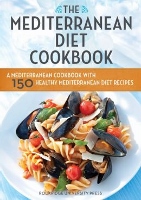
 The Mediterranean Diet Cookbook (2013) is a cookbook for a Mediterranean diet.
- Eat fruits, vegetables, grains (mostly whole), olive oil, beans, nuts, legumes, seeds, herbs, spices, seafood.
- Limit cheese and yogurt, poultry, eggs, wine.
- Avoid or eat rarely meat, sweets foods, soft drinks, processed foods, fast food.
Below is a description of the food recommendations in the diet. What to eat | Foods to limit | Foods to avoid. There’s a lot more in the book.
Use this page as a cheat sheet alongside the book. Send this page to friends, family, and anyone else who you want to understand what you’re eating on this diet.
Get a copy of The Mediterranean Diet Cookbook for recipes.
The reasoning behind The Mediterranean Diet Cookbook
The Mediterranean diet is based on the traditional foods eaten by people living in the Mediterranean region, especially in Crete. If you remember the advice “eat like your ancestors,” you’ll be on the right track. Your ancestors did not eat soft drinks, processed food, or fast food, and neither should you. The Mediterranean diet has a food pyramid that allows any kind of food but places them in a hierarchical order.
The Mediterranean Diet Cookbook plan – what to eat and foods to avoid
What to eat | Foods to limit | Foods to avoid
Foods to eat in The Mediterranean Diet Cookbook
Every meal should be based on fruits, vegetables, grains (mostly whole), olive oil, beans, nuts, legumes, seeds, herbs, and spices
- Fruits
- Eat a wide variety
- E.g. apples, apricots, bananas, berries, cherries, figs, lemon, mango, oranges, peaches, pears, plums, pomegranate, raspberries, strawberries
- Dried fruits e.g. dried apricots, dried cherries, dried cranberries, dried figs, raisins
- Vegetables
- Eat a wide variety
- E.g. acorn squash, alfalfa sprouts, artichokes, arugula, asparagus, baby greens, beets, bell peppers, broccoli, broccoli rabe, Brussels sprouts, carrots, celeriac/celery root, celery, cucumber, eggplant, endive, fennel, garlic, grape leaves, green beans, green onions/scallions, kale, leeks, lettuce, mushrooms, mustard greens, onions, peas, peppers (all types), potatoes, pumpkin, romaine, shallots, spinach, sugar snap peas, Swiss chard, tomatoes, turnips, zucchini
- Fatty vegetables e.g. avocado, olives (many recipes call for low-salt olives)
- Grains
- Mostly whole grain
- Whole and cracked grains – barley, bulgur wheat, farro, oats, quinoa, rice, wild rice
- Flours and meals – cornmeal, whole-wheat flour, polenta
- Pastas and noodles – whole-wheat couscous, whole-wheat pasta
- Breads – whole wheat bread, whole-wheat pitas, whole-grain tortillas
- Legumes
- Beans e.g. fava beans, garbanzo beans/chickpeas, cannellini beans, lima beans, white beans
- Dried peas e.g. black-eyed peas
- Lentils
- Nuts and seeds
- Nuts and nut butters, e.g. almonds, coconut, hazelnuts, pecans, pine nuts, walnuts
- Seeds and seed butters, e.g. sesame seeds, sunflower seeds, tahini
- Oils
- Olive oil, peanut oil
- People in this region tend to eat a diet high in monounsaturated fat
- Herbs and spices
- Herbs e.g. basil, bay leaves, chives, cilantro, dill, herbes de provence, marjoram, mint, oregano, parsley, rosemary, tarragon, thyme
- Spices e.g. 7 spices/baharaat, allspice, cardamom, cayenne, chili flakes, chipotle chili, cinnamon, cloves, coriander, cumin, fennel seeds, garlic powder, ginger, ground ginger, Italian seasoning, nutmeg, paprika, saffron, turmeric
- Fish and seafood
- Should be consumed often, at least 2 times a week
- Fish e.g. anchovies, bluefish, cod, flounder, halibut, monkfish, salmon, sardines, sea bass, tuna
- Shellfish e.g. clams, mussels, shrimp
- Beverages
- Drinking water is encouraged
- Condiments and pantry
- Almond milk, baking powder, baking soda, cranberry juice, unsweetened cocoa powder, vanilla extract
- Arrowroot, broth, capers, hummus, mustard, tomato paste, vinegar (e.g. apple cider vinegar, balsamic vinegar, red wine vinegar)
- Sea salt, pepper
Enjoy meals with others.
Foods to limit with The Mediterranean Diet Cookbook
- Cheese and yogurt
- Eat in moderation, daily to weekly
- Many recipes call for low-fat or non-fat, especially for soft cheeses and yogurts
- Cheeses e.g. blue cheese, cheddar cheese, cottage cheese, cream cheese, goat cheese, feta cheese, Gruyère, mozzarella, Parmesan, ricotta cheese
- Yogurts e.g. Greek yogurt
- Also milk, cream
- Poultry and eggs
- Allowed in moderate portions, every 2 days or weekly
- Poultry e.g. chicken, Cornish game hen, duck, turkey, turkey bacon
- Eggs
- Sweeteners
- Honey
- Wine
- Especially red wine
- Drink in moderation
Foods to avoid with The Mediterranean Diet Cookbook
- Meat
- Eat rarely (although there are a number of recipes in the book)
- Meats e.g. beef, lamb, pork
- Sweet foods
- Eat rarely
- Soft drinks
- Soda etc.
- Avoid/eat rarely
- Processed food
- Avoid/eat rarely
- Fast food
- Avoid/eat rarely
If you want to lose weight, limit calories and unhealthful saturated fat
Health benefits claimed in The Mediterranean Diet Cookbook
The diet in this book claims to reduce the risks for: signs of aging, Alzheimer’s disease, cancer, diabetes, eye disease, heart disease/cardiovascular disease, high cholesterol, insulin resistance, overweight/obesity, wrinkles. This is a diet not specifically for weight loss but for overall health
As always, this is not intended to be a replacement for professional medical diagnosis or treatment for a medical condition. Consult your doctor before starting a new diet. This page describes what the authors of the diet recommend – Chewfo is describing the diet only, not endorsing it.
Get a copy of The Mediterranean Diet Cookbook for recipes.

How has this diet helped you? Please add a comment or question below.



{ 26 comments… add one }
Can you have Turkey Sausage on this diet?
You can have turkey in moderation on this diet. Check the other ingredients of the turkey sausage to see if there’s anything else in the sausages that you should be avoiding. If not, you could have them in moderation.
Can you have Duram Wheat Semolina pasta?
Durum wheat is a “hard” wheat, basically a type of wheat. It can be made into pasta from the whole grain, or processed into white flour then made into pasta.
If it’s a whole wheat pasta, that’s fine according to this book.
However, if it’s a white pasta rather than whole grain, that’s not in line with the guidelines in the book.
Omg, This book will help me to cook The Mediterranean Diet food.
Hi
Please could tell me if I can drink Dry Cider on this diet ???
The only alcohol listed is wine, and that’s supposed to be consumed in limited amounts.
Grapes grow well in the Mediterranean, and apples not so much, so cider isn’t a tradition food there. And the wine industry is much bigger than the dry cider industry, so there aren’t lots of studies supporting its use for health.
However, if it’s natural cider (made only from apples and naturally fermented), it would probably be okay to have in moderation / occasionally on this diet.
Can I use egg beaters instead of eggs , and eat unlimited amounts?
All the recipes in the book that refer to eggs show whole eggs, rather than egg whites.
On page 23 “Spiced Scrambled Eggs”, the book says “You can enjoy whole eggs up to four times a week on the Mediterranean diet.”
Egg whites aren’t listed as one of the foods you can have in unlimited amounts, although they are lower fat than whole eggs. Egg beaters also have additives, which aren’t encouraged on this diet.
I lost 25lbs in 2months&skin is clear.I’ll make it a way of life.I ‘mwaiting to get my lab results.lt should be i teresting
what kind of condiments can you have on the mediterranean diet??
You can use basics such as mustard, tomato paste, and vinegar (e.g. apple cider vinegar, balsamic vinegar, red wine vinegar), as well as salt, pepper, and herbs and spices. If you have a condiment that contains the ingredients allowed on this diet, that should be okay – just check because many condiments contain sugar and other ingredients the book suggests avoiding.
I’m a diabetic, my a1c needs to be addressed it is higher than my Dr. says it should be .Dr. has recommended possibly this diet could get me on the right tract for some weight loss, as well as getting my numbers lowered.. I’m alittle concerned with the white carbs, I thought they make the #”s elevate? I’m on Medformin and gliperzide once in the AM. but obviously im not doing something right, so I asked him about this diet, he said yes, so I would like all the important info on this, I’m very interested to getting on the healthy tract..Can you possibly help me?? Thank you in advance. I’ll be waiting to hear from you.. Barbara..
Hi Barbara,
The book recommends that for grains, you eat mostly whole grain – you could take that to 100% whole grain if that would work better for you.
Which white carbs do you see on this diet that you’re concerned about?
I make my own turkey sausage. I use lean ground turkey and a breakfast sausage recipe. It is very good.
toneill — are you willing to share your recipe for turkey sausage?
I have been trying to see if I can find an answer everywhere, but can one eat roasted seaweed on this diet?
As a whole food, yes you should be able to eat it. Check the other ingredients to see if there’s anything that doesn’t look like it should be eaten on this diet (e.g. oil that isn’t olive oil or peanut oil) and limit as necessary.
Is it necessary to count calories?
The book doesn’t give much insight into that – it says if you want to lose weight, limit calories and unhealthful saturated fat.
What would you recommend for persons required to eat Gluten Free diet?
You could follow this diet, using gluten-free grains and grain products. Avoid anything containing wheat, barley, rye, triticale, spelt, kamut, farro, durum, bulgur, semolina, and be careful with other grains to check that they’re gluten-free (e.g. oats are sometimes processed on the same machinery as wheat, so look for gluten-free oats).
I noticed you didn’t make mention of citrus fruit, e.g. Grapefruit, oranges, lemon, lime. Are these ok?
There aren’t restrictions given on the types of fruit you can eat. Lemons and oranges are listed in the book; grapefruit and lime should be fine as well, along with other whole fruits that aren’t listed here.
Can you have corn on this diet?
Yes, you can have corn on this diet.