
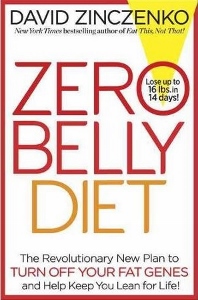
 Zero Belly Diet (2014) is a weight-loss diet which focuses on how to remove visceral fat from the belly area.
- 7-day cleanse and lifetime eating guidelines.
- Eat mostly plant-based foods during the day (except eggs for breakfast).
- Eat vegetables, fruits, lean protein, healthy fats, nuts and seeds, legumes.
- Three meals plus smoothie plus optional snack each day; one cheat meal a week.
- Avoid gluten, refined grains, dairy, sugar, processed foods.
Below on this page is a description of the food recommendations in the diet. Portion sizes | 7-day cleanse | Zero Belly Drinks | General | What to eat | Foods to limit | Foods to avoid | Gluten-free, lactose-free, vegan. There’s a lot more in the book.
Use this page as a cheat sheet alongside the book. Send this page to friends, family, and anyone else who you want to understand what you’re eating on this diet.
Get a copy of Zero Belly Diet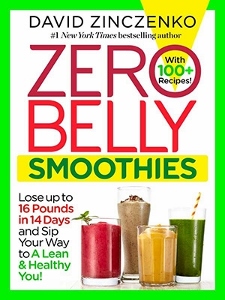 for details of why belly fat is bad for you, how what you eat affects your genes, a breakdown of different types of fat, how to measure your ABSI, recipes, and workouts.
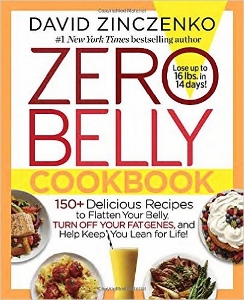
Get a copy of Zero Belly Cookbook for more than 150 recipes for this diet.
Get a copy of Zero Belly Smoothies for more smoothie recipe ideas, and an alternative cleanse version of the diet.
The reasoning behind Zero Belly Diet
This book claims that certain foods short-circuit our fat genes, turning off the parts of our DNA that trigger weight gain and activating our bodies to burn, not store, fat. It says that eating the right diet can essentially take your foot off the fat-gene accelerator and dramatically reverse weight gain, in the process literally changing your genetic destiny. It argues that proper digestion quells inflammation, an often-overlooked culprit in weight gain, and that certain foods (e.g. lactose and gluten) create inflammatory responses in many people. It claims to turn off your fat-storage genes by focusing on nine power food groups that are linked directly to the emerging science of nutritional genetics (the study of how nutrients in food influence gene expression).
Zero Belly Diet plan – what to eat and foods to avoid
Portion sizes | 7-day cleanse | Zero Belly Drinks | General | What to eat | Foods to limit | Foods to avoid | Gluten-free, lactose-free, vegan
Portion sizes
This is taken from “How to Build a Zero Belly Cleanse Dinner” – we assume (although it’s not stated in the book) that the portion sizes should be the same for the rest of the diet as they are for the cleanse. Other portion sizes have been extrapolated from the recipes.
- Protein
- Cooked any way you want, but with only 1 teaspoon of coconut or extra-virgin olive oil
- 5 ounces poultry – e.g. chicken breast (skinless) or lean ground turkey (at least 93% lean)
- 5 ounces lean red meat (allowed once or twice a week in this diet) – lean ground beef (at least 90% lean, preferably grass-fed) or 5 ounces lean steak (sirloin or anything labeled round, preferably grass-fed)
- 5 ounces fish (preferably wild-caught)
- 2 eggs plus 1 or 2 egg whites
- Fiber
- 2-3 heaping cups of leafy green vegetables or other non-starchy vegetables
- Fruits – portion size not given, but recipes generally show ½ cup fresh fruit (and it looks like you can average about 2 servings of fruit a day)
- Grains – portion size not given, but recipes generally show ½ cup cooked grains or 1 gluten-free bun
- Legumes – portion size not given, but recipes generally show ¼ cup cooked legumes
- Note that nuts and seeds are also considered fiber, as well as fat (see “fat” below)
- Fat
- Only add if no fat exists in the recipe already
- ¼ avocado
- 1 tablespoon nuts or seeds
- 1 tablespoon of your favorite nut butter
- Other fats – portion sizes not given, but recipes generally show about 1 teaspoon
- Other foods
- Starchy vegetables – portion size not given, but recipes generally show ½ cup
Seven-day cleanse (optional)
- This can be used to kickstart the diet or after a vacation or other reason you’ve put on some weight
- Two Zero Belly drinks as meals (breakfast and lunch), one snack, a Zero Belly cleanse dinner, and no dessert
- For each meal, drink, or snack, check that it contains protein, fiber, and healthy fat
- Cleanse dinners consist of protein, vegetables, and healthy fats, but no grains or fruits (meal suggestions are in the book)
- No alcohol, no cheat meals
- At least 8 glasses of water a day
- Teas to speed weight loss – 3-4 cups of tea per day – green tea, oolong tea, mint tea, white tea, red tea / rooibos. Choose brewed teas over bottled to avoid extra calories and sweeteners
Zero Belly Drinks
- These are plant-based smoothies which are designed to be creamy, filling, and packed with protein, fiber, and healthy fats, without the lactose and saturated fats found in commercial smoothies
- Fruit – can be fresh or frozen. If a fruit is at the peak of its season, buy it fresh. If not, stick with frozen. (If you don’t use frozen fruit, you can add a cube or two of ice to each recipe.)
- Milk alternatives / nondairy milk – almond milk (without carrageenan), coconut milk, hazelnut milk, hemp milk, rice milk, oat milk
- Protein – protein powder, nuts/seed butter
- Add liquids first, then protein and fruit to your blender. It’s easier on the blender and gets things moving faster. For a thicker, spoon-able smoothie, use less liquid than listed in the recipe. Add more for a thinner, milk-like consistency
- If you want to take a Zero Belly drink to travel, consider making it the night before and freezing it in a blender bottle. (Look for one with a metal mixer ball, which helps re-blend the drink when you shake it.)
- Recipes are in the book
General – after the cleanse
- Meals each day
- Three square meals
- One Zero Belly drink each day
- One additional afternoon or evening snack (if you’re still hungry)
- Example schedule if you’re having a lunchtime workout: 7.30am breakfast, 10am Zero Belly Drink, 12pm workout, 1pm lunch, 6.30pm dinner, 7.30pm snack or Zero Belly Drink
- Example schedule if you’re having no workout: 7.30am breakfast, 12pm lunch, 3.30pm snack or Zero Belly Drink, 6.30pm dinner, 7.30pm snack or Zero Belly Drink
- Sit down to eat, eat without distractions (e.g. TV), and chew well
- Weekly cheat meal
- Once a week, have a zero-guilt cheat meal. This can be anything you want, and it can be at any time during the week
- Three Zero Belly Questions – for each meal or snack, ask:
- Where’s my protein?
- Where’s my fiber? (can be from fruit, vegetables, nuts, seeds, legumes, whole grains)
- Where’s my healthy fat? (at least one of these: monounsaturated fats, polyunsaturated fats, plant-based saturated fats, omeg-3 fatty acids)
- Prep power foods for zero stress – at the beginning of each week, prep a few ingredients in bulk – frozen bananas for smoothies, brown rice and quinoa for meals, vinaigrette, lentils if you’re including them in your meal plan
Foods to eat in Zero Belly Diet (after the cleanse)
- 9 preferred foods
- Zero Belly Drinks
- Eggs
- Red fruits
- Olive oil and other healthy fats
- Beans, rice, oats, and other healthy fiber
- Extra plant protein
- Leafy greens, green tea, and bright vegetables
- Lean meats and fish
- Your favorite spices and flavors (ginger, cinnamon, even chocolate)
- Vegetables – high-phytonutrient
- Leafy greens and brightly colored vegetables – arugula, asparagus, avocado, beets, beet greens, bell peppers (especially red), carrots, chard, chicory, Chinese cabbage / napa cabbage, chives, collard greens, dandelion greens, endive, kale, kohlrabi, lettuce, mesclun greens, parsley, peppers of all types, spinach, tomatoes (especially grape tomatoes), turnip greens, watercress, zucchini
- Others – onions, garlic, leeks, scallions, celery, cucumber, fennel, Jerusalem artichokes, mushrooms, peas, sweet corn, sweet potatoes
- Fruits – high-phytonutrient
- Red fruits – red apples (especially Pink Lady), blueberries, tart cherries (sour cherries), red grapes, red grapefruit, nectarines, peaches, plums, raspberries, strawberries, watermelon
- Other fruits – e.g. bananas, lemon
- Protein
- Eggs (organic)
- Lean protein
- Shellfish – oysters, scallops, shrimp
- Poultry – chicken (especially boneless skinless chicken breast), turkey (lean ground turkey 94% lean)
- Fish (seawater and freshwater) – anchovies, cod, halibut, herring, mackerel, orange roughy, pike, salmon (especially wild), sardines, sunfish, trout, tuna, whitefish
- Plant-based protein powders, with at least 15g of protein per scoop – e.g. a blend of hemp protein, rice protein, and pea protein to get a full amino acid profile – Vega One All-in-One Nutritional Shake, Vega Sport Performance Protein, Sunwarrior Warrior Blend
- Fats
- Monounsaturated fats – olives and olive oil (preferably extra virgin), nuts (including peanuts) and seeds, avocados, dark chocolate (at least 72% cacao)
- Polyunsaturated fats – oily fish such as tuna, salmon, mackerel, or sardine, flaxseed, sunflower seeds, sesame seeds, pine nuts
- Plant-based saturated fats – coconut, coconut oil (preferably virgin)
- Omega-3 fatty acids – wild salmon, tuna, sardines, and other cold-water fish, grass-fed beef, flaxseed, walnuts, chia seeds
- Nut and seed oils – e.g. flaxseed oil, walnut oil
- Nuts and seeds
- Nuts (raw, unsalted) – almonds, cashews, coconuts, hazelnuts, peanuts, pine nuts, walnuts
- Seeds – chia seeds, ground flax seeds (flax meal), pumpkin seeds
- Nut butters, seed butters, ingredients should only be the nut or seed plus maybe a little salt – e.g. almond butter (Justin’s is recommended), peanut butter (Smucker’s Natural is recommended)
- Legumes
- Lentils – e.g. French green lentils
- Beans – e.g. black beans, kidney beans, pinto beans
- Chickpeas/garbanzo beans
- Hummus (Abraham’s is recommended)
- Peanuts, peanut butter
- Grains
- Barley, brown rice, quinoa, oats (old-fashioned or steel-cut, not instant), rye
- Gluten-free buns for hamburgers – Canyon GF Hamburger Buns, Get Happy Campers Wild Buns, Food for Life Brown Rice English Muffins, Manna Organic Ciao Chia Bread
- Herbs and spices
- Herbs – e.g. basil, chives, oregano, parsley
- Spices – especially yellow, black, and brown spices – bay leaf, black pepper, cayenne pepper, cinnamon, coriander, cumin, ginger, horseradish, mustard seeds (especially yellow), rosemary, turmeric, thyme
- Dark chocolate (70% or higher, Green & Black’s is recommended) is considered a spice on this diet
- Condiments and pantry
- Raw apple cider vinegar, rice wine vinegar, red wine vinegar, white wine vinegar
- Prepared mustard (0g sugar), red curry paste, reduced-sodium soy sauce, sriracha
- Artichoke hearts, capers, chipotle peppers, Kalamata olives, solid white albacore tuna (packed in water), sundried tomatoes, whole peeled unsalted tomatoes
- Baking soda, unsweetened cocoa powder, coconut milk (lite is suggested), semisweet chocolate chips
- Mirin (sweetened Japanese rice wine), sake
- Salsa (Amy’s Organic is recommended)
- Gluten-free crackers
- Nutrition bars
- KIND (all flavors)
- LÄRABAR (all flavors)
- Raw Revolution Organic Bars (all flavors)
- Clif, Kit’s Organic (all flavors)
- Beverages
- Water – about 8 glasses a day. Drink a glass as soon as you wake up, with every meal, Zero Belly Drink , or snack, and before you go to bed
- Green tea (Bigelow is recommended) – unlimited amounts (with nothing added)
- Unsweetened almond milk (without carrageenan), coconut milk, hazelnut milk, hemp milk, rice milk, oat milk
Foods to limit with Zero Belly Diet (after the cleanse)
- Protein
- Lean beef (preferably grass-fed), lamb – the book says to limit red meats, but doesn’t give suggestions on acceptable amounts
- Vegetables which cause gas
- g. broccoli, Brussels sprouts, cabbage, cauliflower – especially if eaten raw
- Omega-6 fatty acids
- g. cottonseed oil, grapeseed oil, poppyseed oil, safflower oil, sesame oil, soybean oil, sunflower oil, vegetable oil
- Mayonnaise
- Sunflower seeds
- Sweeteners
- Brown sugar, honey – these are listed in the “starter kit” of ingredients for the recipes, although sugar is supposed to be avoided on this diet
- Soy (presumably foods containing soy ingredients other than soy protein, which is listed as avoid food – e.g. tofu, edamame, tempeh, miso), soy milk
- Alcohol
- One drink per week for the initial 6-week program
- Beverages
- Coffee – limit to 1 cup per day
Foods to avoid with Zero Belly Diet
- Processed foods
- Saturated fat
- Sugar
- Refined grains
- Wheat
- Dairy
- All types of dairy / milk products (milk, cheese, yogurt, butter, sour cream, ice cream, etc.)
- Yogurt, even though it contains probiotics – this is often high in added sugars. If you do choose to eat yogurt, look for ‘live active cultures’ on the label
- Red meat – there’s conflicting advice in the book; it looks like red meat is allowed on occasion
- Canned foods, with BPA lining (BPA-free is okay)
- Fruit juice – eat whole fruit instead
- Foods that may give you gas
- Sorbitol – sugar alcohol found in gum
- Soy protein – found in nutrition bars and other foods
- Carrageenan – found in some brands of almond milk
- Fructose – found in naturally high amounts in dried fruit
- Salty foods, such as canned soup
- Vegetables low in phytonutrients
- White root vegetables – e.g. parsnips, potatoes, turnips
What to do if you want gluten-free, dairy-free, or vegan
Adapt Zero Belly to fit your needs – there aren’t any guidelines in the book but it says you should easily be able to adapt the diet
Health benefits claimed in Zero Belly Diet
The diet in this book claims to reduce the risks for: Alzheimer’s, anxiety, arthritis, autoimmune diseases, Barrett’s esophagus, bloating, cancer, dementia, depression, diabetes, gas, GERD/gastroesophageal reflux disease, heart disease, high blood sugar, inflammation, liver disease, low sex drive, memory loss, overweight/obesity, psoriasis, stroke, visceral fat
As always, this is not intended to be a replacement for professional medical diagnosis or treatment for a medical condition. Consult your doctor before starting a new diet. This page describes what the authors of the diet recommend – Chewfo is describing the diet only, not endorsing it.
Get a copy of Zero Belly Diet for details of why belly fat is bad for you, how what you eat affects your genes, a breakdown of different types of fat, how to measure your ABSI, recipes, and workouts.
 Diet book
Get a copy of Zero Belly Cookbook for more than 150 recipes for this diet.
Cookbook
Get a copy of Zero Belly Smoothies for more smoothie recipe ideas, and an alternative cleanse version of the diet.
Smoothies recipe book
The book’s website is http://www.zerobelly.com/. It’s on Facebook at https://www.facebook.com/zerobellydietplan, and on Twitter at https://twitter.com/ZeroBellyDiet.
How has this diet helped you? Please add a comment or question below.



{ 181 comments… add one }